We offer Financing with Approval through HouseCall Pro
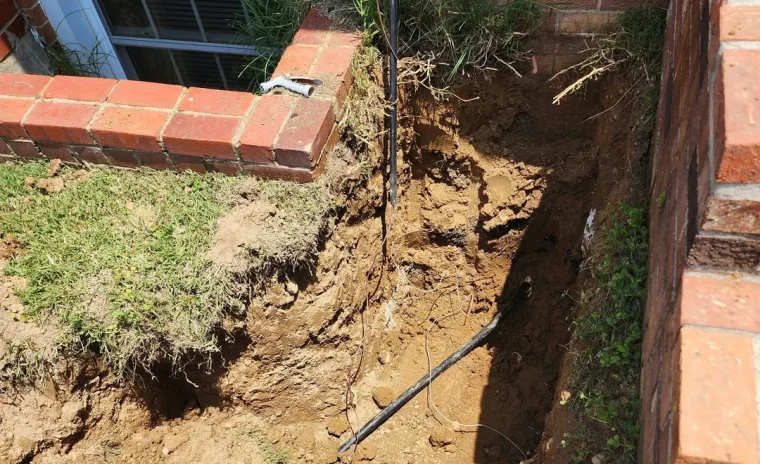
Protect Your Property from Water Line Failures
What Constitutes a Water Line Emergency?
A water line emergency occurs when the main water supply pipe to your property experiences sudden failure or significant damage. Because these lines operate under constant pressure, a break can release hundreds of gallons of water per hour, leading to serious property damage in a short amount of time. Unlike minor plumbing issues, water line emergencies require immediate attention to protect your home and prevent costly repairs.
In Kent County and the Chestertown area, underground water can spread quickly through the region’s sandy soil, potentially weakening foundations and damaging landscaping before visible signs emerge. Common indicators of a true water line emergency include a complete loss of water pressure, noticeable yard flooding, or water entering a basement or crawl space. Prompt professional repair is essential to minimize damage and restore safe, reliable water service.
Why Water Lines Fail in Kent County
Water line failures can result from several causes, with freeze damage, corrosion, and aging infrastructure among the most common. During cold weather, water inside pipes can freeze and expand, causing pipes to crack or burst. Older homes are especially vulnerable if they contain galvanized steel pipes, which gradually corrode over time and may develop leaks or ruptures. Even copper pipes can fail due to electrolysis, stress corrosion, or weakened joints after decades of use.
Environmental factors also contribute to water line damage. Tree roots can infiltrate small pipe cracks and expand, eventually causing major breaks, while soil movement from freeze-thaw cycles, heavy rainfall, or natural settling can place stress on underground piping. Properties built on fill dirt or near waterways may face higher risks. Since water lines have a limited lifespan—typically 50 to 70 years for copper and 25 to 40 years for galvanized steel—the likelihood of failure increases significantly as pipes age beyond their expected service life.
Critical Symptoms of Water Line Damage
Early detection of water line problems can help prevent costly emergencies and extensive property damage. Common warning signs include a sudden drop in water pressure throughout the home, unexplained wet or unusually green patches in the yard, and strange sounds such as hissing, whistling, or gurgling when no water fixtures are in use. These symptoms often indicate a leak or failure in the main water line that requires prompt professional attention.
Other important indicators include discolored or cloudy tap water, unexpectedly high water bills, and new signs of foundation or basement moisture issues. Brown or murky water may signal pipe corrosion or contamination, while a significant increase in water usage can point to a hidden leak. If left unresolved, underground water line failures can erode soil beneath foundations, leading to cracks, settling, and more extensive structural damage. Prompt evaluation and repair can prevent these problems from escalating.
How to Respond When Water Lines Fail
During a water line emergency, acting quickly can significantly reduce property damage and improve the chances of a successful repair. The first priority is shutting off the main water supply to stop the flow of water. Homeowners should know the location of their main shutoff valve before an emergency occurs. Once the water is turned off, contact a licensed plumbing professional immediately, as main water line repairs often require specialized equipment, excavation, and compliance with local regulations.
After securing professional assistance, document all visible damage with photos and notes for insurance purposes. Remove standing water and begin drying affected areas as soon as it is safe to do so to help prevent mold growth, wood rot, and structural deterioration. Promptly notifying your insurance provider is also important, as many policies have reporting deadlines and specific coverage requirements. Taking these steps can help minimize losses, streamline the claims process, and protect your property from further damage.
Trusted Water Line Solutions for Your Property
Professional water line restoration methods vary depending on the extent of the damage, the condition of the existing pipe, and the property’s layout. For severely damaged or aging water lines, complete excavation and replacement often provides the most reliable long-term solution. Modern replacement materials such as PEX and Type L copper offer improved durability and resistance to corrosion, freezing, and other common causes of failure. In some cases, trenchless repair technologies can reduce excavation and landscape disruption while still delivering effective results.
For isolated issues, spot repairs may be sufficient when the rest of the water line remains in good condition. However, repeated repairs on older systems can become more costly over time than a full replacement. A professional assessment, including pressure testing and inspections, helps determine the most practical approach and identifies any hidden weaknesses within the system. Working with licensed local plumbers also ensures that all repairs meet permitting requirements and local plumbing codes, providing homeowners with safe, compliant, and long-lasting water line solutions.